


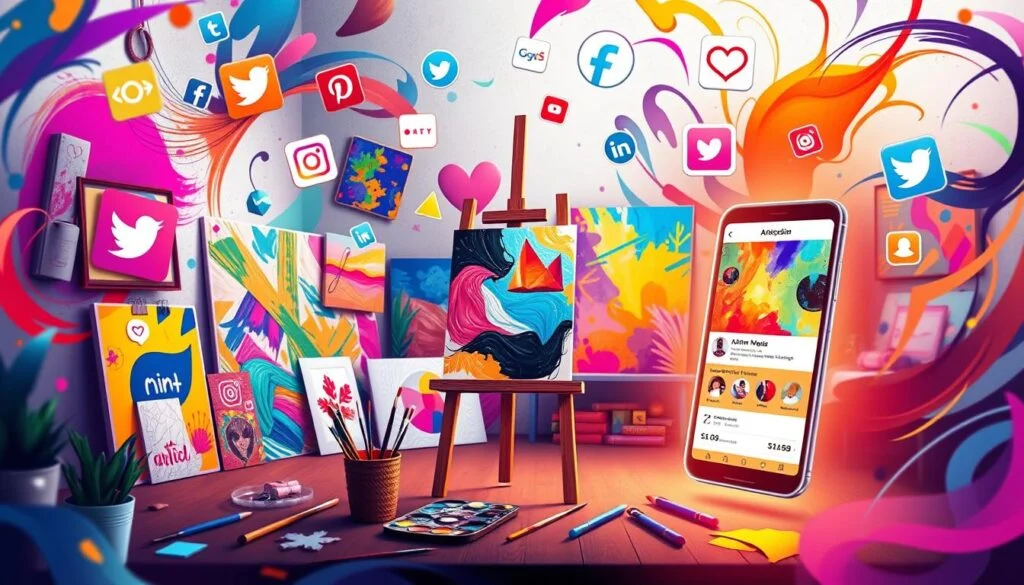
Digital art has become one of the most influential forms of communication on social media. From eye-catching illustrations on Instagram to animated graphics on TikTok and Pinterest, creators now have the ability to connect with audiences across continents in seconds.
But standing out in a crowded digital space requires more than talent alone. Artists must understand platform algorithms, audience behavior, cultural relevance, and visual storytelling to maximize engagement.
In this guide, we’ll explore how digital artists can build a strong social media presence, attract international followers, and create content that resonates globally.
Why Digital Art Performs So Well on Social Media
Visual content dominates modern social platforms because it is instantly consumable and emotionally engaging. Digital art naturally captures attention through color, movement, originality, and storytelling.
Key reasons digital art succeeds online:
- Highly shareable visual content
- Strong emotional and aesthetic appeal
- Adaptability across multiple platforms
- Easy integration into trends and viral formats
- Opportunities for branding and monetization
Platforms prioritize engaging visuals because they increase watch time, saves, comments, and shares — all critical ranking signals for social media algorithms.
Understanding a Global Social Media Audience
Creating content for a worldwide audience means thinking beyond local trends. Different regions respond to varying artistic styles, humor, symbolism, and color palettes.
Important factors to consider:
- Cultural sensitivity
- Universal visual themes
- Language accessibility
- Time zone optimization
- Platform popularity by region
For example:
- Instagram and Pinterest remain highly visual discovery platforms in North America and Europe.
- TikTok dominates short-form creative engagement globally.
- Behance and ArtStation attract professional design communities worldwide.
Artists who adapt their content strategy for international viewers often experience higher reach and stronger community growth.
Best Types of Digital Art Content for Social Media
Not every artwork performs equally online. Some formats naturally encourage interaction and sharing.
1. Process Videos and Time-Lapses
Audiences love seeing how artwork is created. Short videos showing sketch-to-final transformations generate strong engagement.
Popular formats include:
- Speed painting
- Layer reveals
- Before-and-after edits
- Drawing tutorials
- Animation breakdowns
2. Carousel Posts
Carousel posts encourage users to swipe through multiple images, increasing session time and boosting visibility.
Effective carousel ideas:
- Step-by-step creative processes
- Character design evolution
- Color palette variations
- Story-based illustrations
3. Trend-Based Art
Participating in trending challenges or seasonal themes helps artists gain discoverability.
Examples:
- Fan art trends
- Viral meme reinterpretations
- Holiday-themed artwork
- AI-inspired digital aesthetics
4. Interactive Content
Interactive posts increase comments and shares.
Examples:
- “Choose your favorite version”
- Poll-based character designs
- Audience art challenges
- Collaborative creations
Optimizing Digital Art for Social Media Algorithms
Algorithms reward consistency, relevance, and engagement. Artists who understand optimization techniques can dramatically improve visibility.
Essential optimization strategies:
Use High-Quality Visuals
Low-resolution uploads reduce professionalism and engagement. Always export artwork in platform-optimized dimensions.
Write SEO-Friendly Captions
Captions should include searchable keywords naturally.
Examples:
- digital illustration
- fantasy concept art
- social media design
- anime-inspired artwork
- digital portrait artist
Include Strategic Hashtags
Use a mix of:
- Broad hashtags (#digitalart)
- Niche hashtags (#cyberpunkillustration)
- Community hashtags (#artistsupportartists)
Encourage Interaction
Ask questions in captions:
- “Which version do you prefer?”
- “What should I draw next?”
- “Would you hang this as wall art?”
Post Consistently
Consistency trains both audiences and algorithms to expect content regularly.
Building a Strong Visual Brand
Successful digital artists maintain recognizable branding across all platforms.
Elements of a memorable visual identity:
- Consistent color palettes
- Distinct illustration style
- Cohesive typography
- Recognizable logo or signature
- Unified content themes
Strong branding helps audiences instantly identify your work while increasing professional credibility.
The Role of AI and Emerging Technologies
AI-assisted tools are transforming digital creativity and content production. Artists now use AI for:
- Idea generation
- Background creation
- Color experimentation
- Motion effects
- Workflow automation
However, authenticity still matters. Audiences connect most deeply with original artistic voices and emotional storytelling.
The most successful creators combine technology with personal creativity rather than relying entirely on automation.
Monetizing Digital Art Through Social Media
Social media is no longer just a portfolio platform — it’s a business ecosystem.
Popular monetization methods:
- Commission work
- Brand collaborations
- Print sales
- Patreon memberships
- NFT collections
- Online courses
- Digital asset marketplaces
Artists with engaged communities often monetize more effectively than creators focused only on follower counts.
Common Mistakes Digital Artists Should Avoid
Ignoring Platform Differences
What works on TikTok may fail on Pinterest or LinkedIn.
Posting Without Strategy
Random uploads rarely build sustainable growth.
Overusing Trends
Trend participation helps visibility, but originality builds long-term loyalty.
Neglecting Community Engagement
Replying to comments and interacting with followers strengthens audience relationships.
Inconsistent Branding
Changing styles too frequently can confuse audiences.
Future Trends in Digital Art for Social Media
Digital art continues evolving alongside technology and consumer behavior.
Emerging trends include:
- AI-enhanced creative workflows
- Interactive 3D content
- Augmented reality filters
- Short-form animated storytelling
- Personalized visual experiences
- Virtual influencer collaborations
Artists who adapt early to new formats often gain significant competitive advantages.
Final Thoughts
Digital art and social media are now deeply interconnected. Artists who combine creativity with strategic content optimization can build truly global audiences.
Success today requires more than artistic skill. It involves understanding algorithms, audience psychology, branding, and platform-specific storytelling.
By creating visually compelling, culturally relevant, and highly engaging content, digital artists can transform social media platforms into powerful engines for growth, recognition, and long-term creative success.