



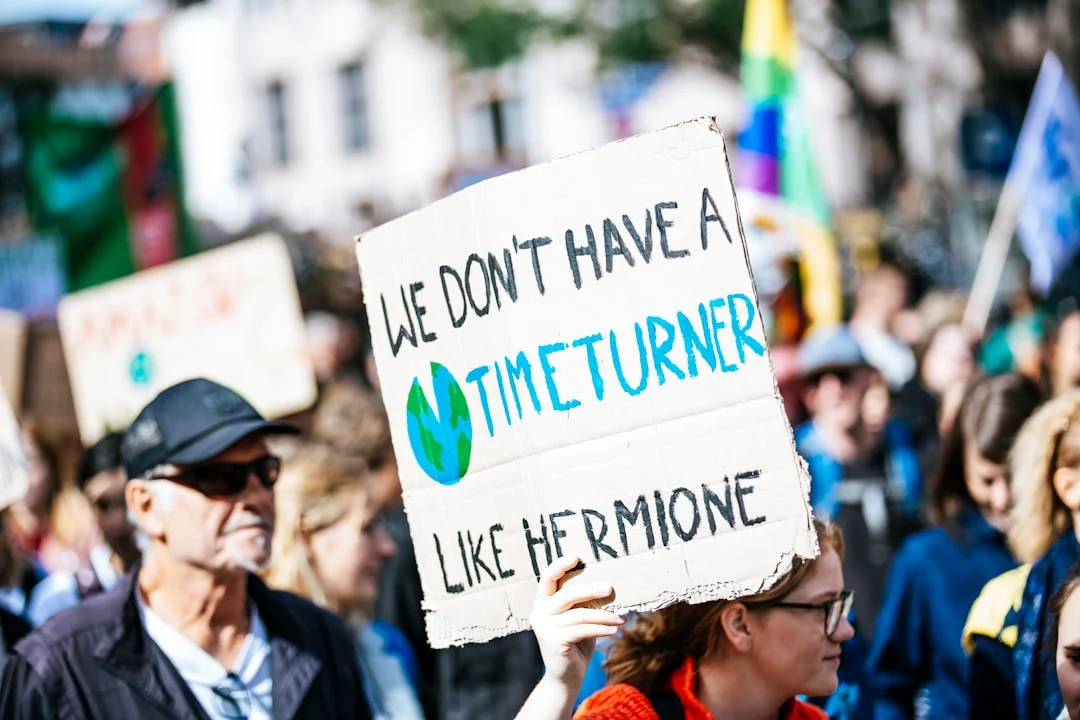
The pursuit of environmental security and climate resilience is a pressing concern for nations around the world. As the global community grapples with the challenges of sustainable development and international cooperation, it is essential to recognize the intricate relationships between freedom, safety, and human rights. The delicate balance between these concepts is crucial for building resilient, prosperous, and ethical societies where human potential can flourish.
Ensuring environmental security and climate resilience requires a multifaceted approach that incorporates sustainable development principles, international cooperation, and resilience planning. This approach must be grounded in a deep understanding of the complex interdependencies between human development, environmental protection, and economic freedom.
According to the United Nations, the world’s population is projected to reach 9.7 billion by 2050, putting immense pressure on the planet’s resources and ecosystems. The World Bank estimates that the average global temperature is likely to rise by 2-3 degrees Celsius by the end of the century, with devastating consequences for public health, food security, and economic stability. In contrast, a study by the International Energy Agency found that investing in renewable energy and energy efficiency could create up to 24 million new jobs globally by 2030, while reducing greenhouse gas emissions and mitigating the impacts of climate change.
Understanding Environmental Security and Climate Resilience
Environmental security and climate resilience are inextricably linked to human development and sustainable development. The concept of environmental security encompasses the protection of natural resources, ecosystems, and biodiversity, as well as the prevention of environmental degradation and climate change. Climate resilience, on the other hand, refers to the ability of communities, nations, and ecosystems to withstand, adapt to, and recover from the impacts of climate change. A report by the Intergovernmental Panel on Climate Change (IPCC) highlights the importance of climate resilience in reducing the risks associated with climate change, citing that every degree of warming above 1.5 degrees Celsius will lead to increased sea-level rise, more frequent and severe heatwaves, and altered precipitation patterns.
Key points to consider in ensuring environmental security and climate resilience include:
- Implementing sustainable development principles and practices
- Promoting international cooperation and global governance
- Investing in renewable energy and energy efficiency
- Protecting and preserving natural resources and ecosystems
- Supporting climate change research and development
Role of International Cooperation in Environmental Security and Climate Resilience
International cooperation is essential for addressing the global challenges of environmental security and climate resilience. The Paris Agreement on climate change, for example, brings together almost 200 countries in a collective effort to reduce greenhouse gas emissions and mitigate the impacts of climate change. The agreement sets out a framework for global cooperation on climate change, including the provision of financial support and technology transfer to developing countries. According to the Organization for Economic Co-operation and Development (OECD), international cooperation on climate change could generate significant economic benefits, including the creation of up to 46 million new jobs in the renewable energy sector by 2050.
The following comparison table highlights the benefits of international cooperation in addressing environmental security and climate resilience:
| Aspect | International Cooperation | Lack of Cooperation |
|---|---|---|
| Greenhouse gas emissions | Reduced emissions through collective action | Increased emissions due to lack of coordination |
| Climate change research | Accelerated research and development through shared knowledge | Slowed research and development due to limited resources |
| Economic benefits | Creation of new jobs and industries through sustainable development | Loss of economic opportunities due to environmental degradation |
Conclusion and Future Directions
In conclusion, ensuring environmental security and climate resilience requires a concerted effort from individuals, organizations, and governments around the world. By promoting sustainable development, international cooperation, and resilience planning, we can build a more resilient, prosperous, and ethical future for all. As we move forward, it is essential to prioritize human development, environmental protection, and economic freedom, while fostering a culture of transparency, accountability, and cooperation. The United Nations, the World Bank, and the International Energy Agency are among the key entities that will play a crucial role in shaping the global response to environmental security and climate resilience.