

Biological Immortality of Human. Seven eBook bundle

$47.99

Biological Immortality of Human 

Seven Ebook Bundle:

Biology of Aging
Genetics of Longevity
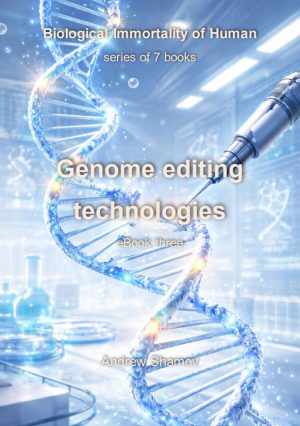
Genome Editing Technologies
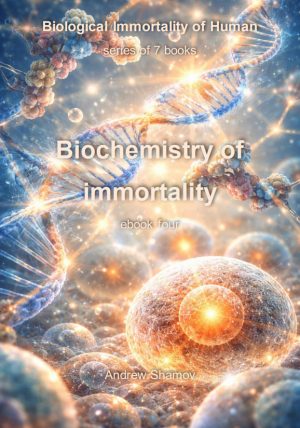
Biochemistry of immortality
Technologies of the Future
Practical Life Extension Strategy
Philosophy of Immortality

Author Andrew Shamov

© Shamov.info Publishing House, 2026

Cryptocurrency payment

Prologue of the series “Biological Immortality of Human” 

Throughout the history of mankind, there has been one unchanging condition for life: a person ages and dies. Civilizations arose and disappeared, sciences developed, technology changed the world, but the biological fate of man remained the same. Sickness, ageing and death seemed as inevitable laws of nature as gravity or the change of seasons. 
Therefore, for thousands of years, people have been looking for immortality not in science, but in myths.
Ancient cultures told of gods who do not age. Alchemists were looking for the elixir of life. Philosophers have speculated about the soul that survives the body. Religions promised eternal life in another world.
But the 21st century was the first period in history when the question of immortality began to move from the field of mythology to the field of science.
Modern biology has shown that aging is not a mystical process or an inevitable curse of nature. Aging is a set of biological mechanisms: the accumulation of molecular damage, changes in the work of genes, violation of cellular metabolism, the gradual depletion of the body’s recovery systems.
In other words, aging is a problem.
And any problem that can be described scientifically can theoretically be solved.
Humanity has already learned to do what until recently seemed impossible. We deciphered the human genome. We learned to observe the work of cells at the molecular level. We are beginning to understand the mechanisms that drive body development, tissue aging and regeneration.
Moreover, for the first time, we received tools that allow us to interfere with our own biology.
These changes gave rise to a new philosophical direction – transhumanism.
Transhumanism proceeds from a simple idea: a person is not obliged to forever remain the biological being that evolution formed him. Technology could allow us to push the boundaries of human capabilities – improve health, prolong life, increase intellectual capacity, and perhaps one day overcome biological aging.
This does not mean abandoning human nature. On the contrary, it is a continuation of the deepest human tradition – the desire to overcome restrictions.
The fire allowed the man to survive the cold.
Medicine has made it possible to defeat many diseases.
Science has made it possible to understand the structure of the universe.
The next step could allow a person to change themselves.
However, the path to a radical extension of life will not be easy. It will require years of research, great scientific effort and deep ethical reflection. Not all ideas will turn out to be correct. Not all technology will be safe. And perhaps many of today’s hypotheses will be revised.
But another thing is more important: for the first time in history, humanity began to ask the question not “why are we aging,” but “how to stop aging.”
This series of books is devoted to this very question.
“Biological Immortality of Human” is not a promise of eternal life or a fantasy dream. This is a study of what science already knows about aging, what technologies are being developed today and what opportunities may open up in the future.
Each volume of the series considers one side of this problem: the biology of aging, the genetics of longevity, genome editing technologies, the biochemistry of cellular processes, medical technologies of the future, practical strategies for extending life and the philosophical consequences of possible immortality.
We live in a unique historical moment.
For the first time in the history of mankind, people are beginning to understand the mechanisms of their own mortality. And perhaps it is our generation that stands at the beginning of a new era – an era in which aging will cease to be an inevitable fate.
The question is no longer whether a radical life extension is possible.
The question is how far humanity is willing to go to change its own nature.
This series of books is an invitation to this conversation.


7 eBooks, 

Language English,

File size 11 Mb (Pdf)


Contents

Biology of aging. eBook one. Biological Immortality of Human

Biology of Aging

(eBook one)

1.The last disease of humanity

Aging as the main medical problem of civilization.

Part I

Dream of immortality

  1. Immortal gods of ancient civilizations
  2. The search for the elixir of life
  3. Alchemy and the Philosopher’s
  4. Emperors seeking eternal life
  5. Immortality in world religions
  6. The first scientific ideas of aging
  7. The emergence of gerontology

Part II

The cell is the basis of life

  1. Cell discovery History of microscopy.
  2. Cell structure Organelles and their functions.
  3. Cell metabolism How cells produce energy.
  4. Cell division Mitosis and tissue renewal.
  5. Cell cycle Phases of cell life.
  6. Cell division limitWhy cells do not divide indefinitely.
  7. The story of the discovery of the Hayflick limit.
  8. Senescent cells Cells that stop dividing.

Part III 

DNA damage

  1. Cell genetic code
  2. DNA replication
  3. DNA copying errors
  4. Mutations
  5. External sources of damage
  6. Radiation and chemical mutagens
  7. Cellular repair errors

Part IV

Telomeres – cell clock

  1. Chromosome structure
  2. What are Telomeres
  3. Telomere discovery
  4. Telomere protective function
  5. Telomere shortening mechanism
  6. Telomeres and cellular aging
  7. Telomeres and life expectancy
  8. Telomere length measurement methods
  9. Telomeres and age-related diseases

Part V

Immortality enzyme

  1. Telomerase discovery
  2. Telomerase structure
  3. TERT gene
  4. Telomerase in embryonic cells
  5. Telomerase in stem cells
  6. Telomerase and cancer
  7. Telomerase activation experiments
  8. Telomere therapy options

Part VI

Other aging mechanisms

  1. Mitochondrial theory of aging
  2. Free radicals
  3. Oxidative stress
  4. Epigenetic changes
  5. Protein disorders
  6. Chronic inflammation

Part VII     

Biology of centenarians

  1. Biology Naked Mole Rat
  2. Immortal hydra
  3. Biology of Turritopsis dohrnii

Epilog

  1. Can aging be defeated?
Genetics of Longevity (eBook two) Biological Immortality of Human (series of 7 ebooks)

Genetics of Longevity 

(eBook two)

  1. Genetic code of life

Why the fate of an organism is largely recorded in DNA.

Part I

Genetic code discovery

  1. The Birth of Genetics by Gregor Mendel.
  2. Chromosomal theory of heredity
  3. Discovery of the DNR structure James
    Watson, Francis Crick and Rosalind Franklin.
  4. Genetic code
  5. Central dogma of molecular biology
  6. How genes drive the cell
  7. Human genome

Part II

Genome architecture

  1. DNA structure
  2. Nucleotides and genetic alphabet
  3. Genes and regulatory sites
  4. Non-coding DNA
  5. Replays and Mobile Items
  6. Human chromosomes
  7. Genetic diversity
  8. DNA polymorphisms

Part III

Genetics of centenarians

  1. Who are long-livers
  2. High life expectancy populations
  3. Superlower genome
  4. Protective mutations
  5. Genetic drivers of disease resistance
  6. Genes associated with longevity
  7. FOXO gene and stress resistance
  8. SIRT gene family
  9. mTOR signaling pathway

Part IV 

Epigenetics – the second level of genetics

  1. What is epigenetics
  2. DNA methylation
  3. Histone modifications
  4. Regulation of gene activity
  5. Epigenetic clock
  6. Biological age
  7. Epigenetic aging
  8. Opportunities for epigenetic rejuvenation

Part V

Genome repair

  1. DNA damage
  2. Repair mechanisms
  3. DNA repair enzymes
  4. Reparation errors
  5. Genomic instability
  6. DNA and age-related diseases

Part VI

Genetic reprogramming

  1. Cell reprogramming
  2. Discovery of induced stem cells
  3. Yamanaki factors
  4. Biology of cellular rejuvenation
  5. Tissue rejuvenation
  6. Regenerative Medicine Opportunities
  7. Genetic therapy of aging

Part VII

The future of human genetics

  1. Personalized medicine
  2. Genetic disease prevention
  3. Genome editing technologies

Epilog

  1. Is it possible to rewrite the genetic aging program?
Genome Editing Technologies. eBook three

Genome Editing Technologies

(eBook three)

  1. The genetic engineering revolution

How humanity learned not only to read, but also to change the genetic code.

Part I

The birth of genetic engineering

  1. First DNA experiments
  2. Recombinant DNA
  3. Restrictive enzymes
  4. Plasmids and gene transfer
  5. Early methods of gene modification
  6. First genetically modified organisms
  7. Development of molecular biology

Part II

Genome editing architecture

  1. What does it mean to “edit the genome”
  2. Key strategies for changing genes
  3. Cutting DNA
  4. Cellular mechanisms of DNA repair
  5. Non-homologous end joining (NHEJ)
  6. Homologous recombination (HDR)
  7. Accuracy of genetic changes
  8. Limitations of cellular repair

Part III

CRISPR revolution

  1. Discovery of the CRISPR bacterial system
  2. How bacteria protect against viruses
  3. CRISPR-Cas9 molecular mechanism
  4. Guide RNA
  5. Cas9 protein
  6. Recognition of DNA target regions
  7. Genome cutting
  8. Repair after editing

Part IV

Development of CRISPR technologies

  1. CRISPR system modifications
  2. Base Editing
  3. Prime Editing
  4. CRISPR for gene activation
  5. CRISPR for gene suppression
  6. Highly accurate variants of Cas enzymes
  7. New Cas protein systems

Part V

Alternative editing technologies

  1. Zinc nucleases (ZFNs)
  2. TALEN technology
  3. Compare editing technologies
  4. Accuracy and effectiveness of different methods

Part VI

Gene therapy

  1. What is gene therapy
  2. Viral vectors
  3. Adeno-associated viruses
  4. Lipid nanoparticles
  5. Methods of delivery of genetic material
  6. Gene therapy clinical trials
  7. Treatment of hereditary diseases

Part VII

Limitations and risks

  1. Off-target mutations
  2. Immune responses
  3. Genetic safety
  4. Ethical challenges of genome editing

Part VIII

Genetic medicine of the future

  1. Editing aging genes
  2. Genetic treatment of age-related diseases
  3. Prospects for life extension

Epilog

  1. The Future of Guided Evolution
Biological Immortality of Human. Biochemistry of immortality. eBook four. Author Andrew Shamov

Biochemistry of immortality

(eBook four)

  1. Chemistry of life

How molecules drive the aging of the body.

Part I

Metabolism and aging

  1. Cell Energy Fundamentals of Biological Energy.
  2. Energy molecule – ATP
  3. Metabolic pathways
  4. Glycolysis
  5. Krebs cycle
  6. Oxidative phosphorylation
  7. Mitochondria are the energy stations of the cell
  8. Metabolism and life expectanc

Part II

Free radicals

  1. Free radical theory of aging
  2. What are free radicals
  3. Reactive oxygen species
  4. Oxidative stress
  5. DNA damage by free radicals
  6. Protein damage
  7. Damage to cell membranes
  8. Role of mitochondria in free radical formation

Part III

Antioxidant systems of the body

  1. Antioxidant cell protection
  2. Enzyme antioxidants
  3. Superoxide dismutase
  4. Catalase
  5. Glutathione and its functions
  6. Vitamins-antioxidants
  7. Cellular defense systems
  8. Oxidation and Reduction Balance

Part IV

Longevity molecules

  1. Metabolic regulators of aging
  2. Coenzyme NAD +
  3. NAD + and cellular energy
  4. NAD + and DNA repair
  5. Useful properties of Resveratrol
  6. Resveratrol and sirtuin activation
  7. Rapamycin
  8. Rapamycin and cell growth pathway inhibition
  9. Other longevity molecules

Part V

Regeneration biochemistry

  1. Cellular regeneration
  2. Stem cells
  3. Tissue regeneration signals
  4. Organ repair
  5. Regeneration in animals
  6. Tissue healing biochemistry
  7. Human regeneration limitations

Part VI

Biochemistry of rejuvenation

  1. Longevity signaling pathways
  2. Metabolic reprogramming
  3. Autophagy
  4. Cell stress control
  5. Biochemistry of cellular renewal
  6. Metabolism and biological age

Epilog

  1. Is it possible to change the biochemistry of aging
  2. The future of metabolic medicine
  3. Biochemistry of immortality
Biological Immortality of Human. Technologies of the Future. eBook five

Technologies of the Future

(eBook five)

  1. Technological evolution of man

How biotechnology begins to change the very nature of man.

Part I 

Regenerative medicine

  1. Birth of regenerative medicine
  2. What are stem cells
  3. Stem cell types
  4. Embryonic stem cells
  5. Adult stem cells
  6. Induced pluripotent cells
  7. Tissue regeneration potential
  8. Limitations of regenerative medicine

Part II

Organ engineering

  1. Donor organ deficiency
  2. Transplantation biology
  3. Immune compatibility
  4. Tissue bioprinting
  5. 3D organ printing
  6. Biomaterials
  7. Artificial organs
  8. Bioreactors

Part III

Nanomedicine

  1. The birth of nanomedicine
  2. Nanoparticles in medicine
  3. Drug delivery
  4. Nanorobots
  5. Nanosensors
  6. Tissue repair nanomaterials
  7. The future of molecular medicine

Part IV

Artificial intelligence in biology

  1. The role of artificial intelligence in medicine
  2. Genomic data analysis
  3. Protein modeling
  4. Finding new drugs
  5. Personalized medicine
  6. Medical diagnostic systems
  7. Digital body models

Part V  

Digital biology

  1. What is digital biology
  2. Biological databases
  3. Genome sequencing
  4. Biological modeling
  5. Digital body twins
  6. Computer simulation of cells
  7. Big data biology

Part VI

Biotechnological evolution of man

  1. Improving the human body
  2. Bionic implants
  3. Brain-computer interfaces
  4. Biosensors and health monitoring
  5. Cybernetic authorities
  6. Man and machine

Part VII

The future of medicine

  1. Personalized medicine of the future
  2. Preventive medicine
  3. Biological age management
  4. Radical life extension technologies

Epilog

  1. The next stage of evolution
  2. Technological path to immortality
Biological Immortality of Human. Practical Life Extension Strategy. eBook six

Practical Life Extension Strategy

(eBook six)

  1. Longevity Practice

Why life extension starts with everyday decisions.

Part I 

Biomarkers of aging

  1. What are biomarkers
  2. Chronological and biological age
  3. Epigenetic clock
  4. Biomarkers of inflammation
  5. Metabolic markers
  6. Hormonal parameters
  7. Telomere length as biomarker
  8. Comprehensive biological age assessment

Part II

Metabolic health

  1. Metabolism fundamentals
  2. Energy balance of the body
  3. The role of insulin
  4. Metabolic syndrome
  5. Glucose control
  6. Insulin sensitivity
  7. Metabolic flexibility
  8. Metabolism and aging

Part III

Nutrition and longevity

  1. History of nutrition research
  2. Calories and life expectancy
  3. Calorie restriction
  4. Interval feeding
  5. Macronutrient balance
  6. Proteins and aging
  7. Fats and health
  8. Carbohydrates and metabolism
  9. Micronutrients
  10. Nutrition of centenarians

Part IV 

Physical activity

  1. Motion biology
  2. Muscle and metabolism
  3. Aerobic loads
  4. Strength training
  5. Endurance
  6. Sports impact on the brain
  7. Physical activity and longevity
  8. Optimal training regimens

Part V

Sleep and recovery

  1. Sleep biology
  2. Circadian rhythms
  3. Sleep phases
  4. Sleep and hormonal system
  5. Recovery of the body
  6. Lack of sleep and aging

Part VI

Preventive medicine

  1. Prevention of age-related diseases
  2. Cardiovascular health
  3. Brain health
  4. Immune system
  5. Screening and early diagnosis

Part VII

Health monitoring

  1. Biological monitoring
  2. Personalized medicine
  3. The future of preventive medicine

Epilog

  1. Long life strategy
Biological Immortality of Human. Philosophy of Immortality. eBook seven

Philosophy of Immortality

(eBook seven)

  1. The last frontier of humanity

Why the question of immortality becomes the central question of future civilization.

Part I                                           

Dream of immortality

  1. Immortality in ancient mythology
  2. The Search for Eternal Life in History
  3. Religious Beliefs About Everlasting Life
  4. Philosophical views on death
  5. Fear of death
  6. The meaning of the ultimate life
  7. Man in the face of eternity

Part II

Transhumanism and the future of man

  1. Ideas Transhumanism
  2. Philosophy of human improvement
  3. Man as a stage of evolution
  4. Biological evolution and technology
  5. Guided evolution
  6. A new form of humanity
  7. Man and post-man

Part III

Demographics of an Immortal Society

  1. World population
  2. Rising life expectancy
  3. Demographic implications of longevity
  4. Overpopulation
  5. New models of society
  6. Changing family structure
  7. Generations in an Immortal Society

Part IV

The economics of radical longevity

  1. The economic impact of a long life
  2. Pension systems of the future
  3. Work and career in long life
  4. Knowledge economics
  5. Life-long education
  6. New employment patterns

Part V

Ethical issues of immortality

  1. Right to life extension
  2. Longevity technology availability
  3. Social inequality
  4. Human genetic enhancement
  5. Ethical boundaries of biotechnology
  6. Responsibility to future generations

Part VI

Religion and Immortality

  1. Everlasting Life in the World’s Religions
  2. Soul and body
  3. Technological immortality
  4. Religious criticism of biotechnology
  5. New spiritual concepts

Part VII

Civilization of centenarians

  1. Psychology of long life
  2. The meaning of life in a world without aging
  3. Creativity and long life
  4. Culture of immortal society
  5. Science of the future
  6. Space expansion of humanity
  7. Long life and development of civilization

Part VIII

The future of humanity

  1. Possible future scenarios
  2. Man in a thousand years
  3. Boundaries of immortality

Epilog

  1. A Future Without Aging


Biological Immortality of Human (series of 7 books):
Biology of Aging (book one)
Genetics of Longevity (book two)
Genome Editing Technologies (book three)
Biochemistry of immortality (book four)
Technologies of the Future (book five)
Practical Life Extension Strategy (book six)
Philosophy of Immortality (book seven)

Author Andrew Shamov
© Shamov.info Publishing House, 2026
Website: aweGene.com
Email: [email protected]