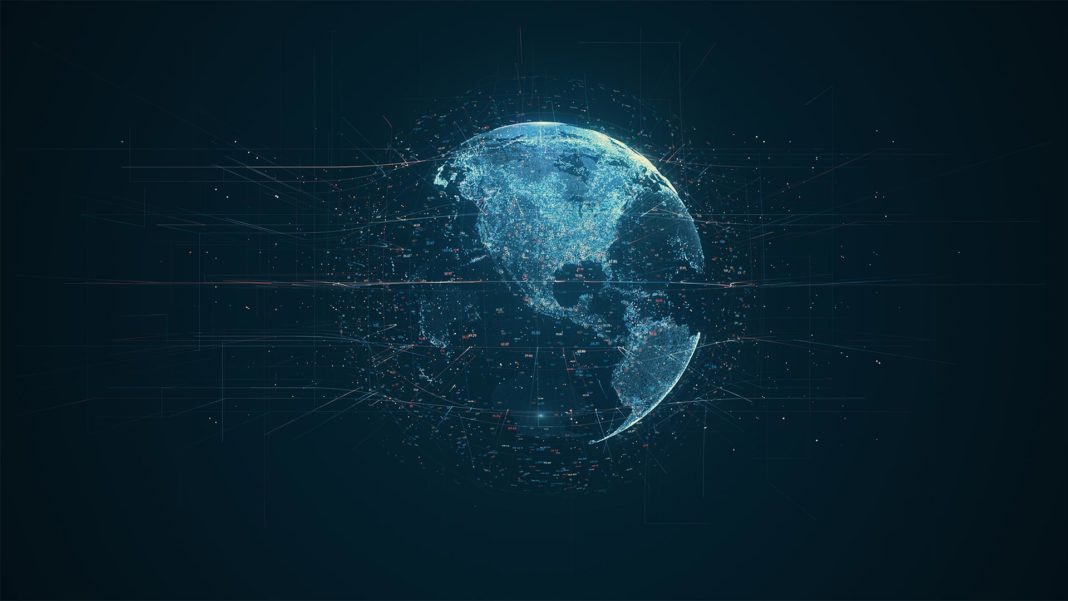




In the 21st century, the internet is more than a tool for communication or entertainment – it is an essential part of modern life. From accessing education and healthcare to exercising free speech and participating in civic life, internet access is crucial for the fulfillment of basic human rights. Many experts now argue that connectivity is not just a convenience – it is a fundamental human right.
Why Internet Access is a Human Right
Human rights are universal and inalienable. They include the right to education, freedom of expression, access to information, and participation in society. In the digital age, these rights cannot be fully realized without internet access. Here’s why:
- Education and Knowledge
The internet provides access to countless educational resources, online courses, and virtual libraries. For children and adults alike, lack of connectivity can mean missing out on essential learning opportunities. In remote or underserved regions, online education often serves as the only path to knowledge. - Healthcare and Well-being
Telemedicine, online consultations, and health information platforms depend on reliable internet access. Without it, people in rural areas or low-income communities may not receive timely medical advice, putting their health and lives at risk. - Economic Opportunities
Jobs, entrepreneurship, and freelance work increasingly require online skills and access. Individuals without internet access are at a significant disadvantage in the modern economy, perpetuating cycles of poverty. - Freedom of Expression and Civic Participation
The internet is a platform for free speech, activism, and democratic engagement. Limiting connectivity restricts individuals’ ability to voice opinions, access information, and participate in societal decision-making. - Social Inclusion and Equality
The internet connects people across the globe, allowing for cultural exchange, social support networks, and inclusion of marginalized communities. Lack of access contributes to digital inequality, reinforcing existing social and economic disparities.
The Global Digital Divide
Despite technological advancements, millions of people worldwide still lack reliable internet access. The digital divide disproportionately affects low-income communities, rural areas, and developing countries. This gap is not only technological but also a human rights issue: denying someone internet access can effectively deny them education, healthcare, employment, and freedom of information.
Recognizing Internet Access as a Human Right
International organizations increasingly acknowledge the importance of connectivity. In 2016, the United Nations Human Rights Council stated that access to the internet is closely linked to human rights, asserting that:
“The same rights that people have offline must also be protected online.”
This recognition frames internet access as essential for realizing fundamental rights such as freedom of expression, education, and participation in public life.
Steps Toward Ensuring Universal Connectivity
To uphold internet access as a human right, governments, NGOs, and technology companies are implementing initiatives such as:
- Expanding broadband infrastructure to rural and underserved areas
- Providing affordable or subsidized internet plans for low-income populations
- Promoting digital literacy to ensure safe and effective use of online resources
- Supporting global policies that protect online freedom and accessibility
Conclusion
Internet access is no longer optional – it is a basic human right in the digital age. Ensuring universal connectivity is crucial for education, healthcare, economic development, democratic participation, and social inclusion. Bridging the digital divide is not merely a technological challenge – it is a moral imperative to guarantee equality, dignity, and opportunity for every individual.