

Digital art has evolved from a niche creative medium into a global cultural force. From AI-generated masterpieces to immersive virtual exhibitions, technology continues to redefine how art is created, shared, and experienced. As we move deeper into the digital era, artists, collectors, and brands are exploring new possibilities that blur the line between creativity and innovation.
In this article, we explore the biggest trends shaping the future of digital art and predictions for where the industry is heading next.
The Rapid Evolution of Digital Art
Digital art has undergone a dramatic transformation over the past decade. What once required specialized software and expensive hardware is now accessible to millions through mobile apps, AI tools, and cloud-based platforms.
The rise of social media has also accelerated exposure for creators. Artists can instantly share their work with global audiences, build communities, and monetize their creativity without relying on traditional galleries.
Today, digital art is no longer considered an “alternative” form of expression. It has become a mainstream industry influencing entertainment, advertising, gaming, fashion, and even architecture.
1. AI Will Become a Creative Partner
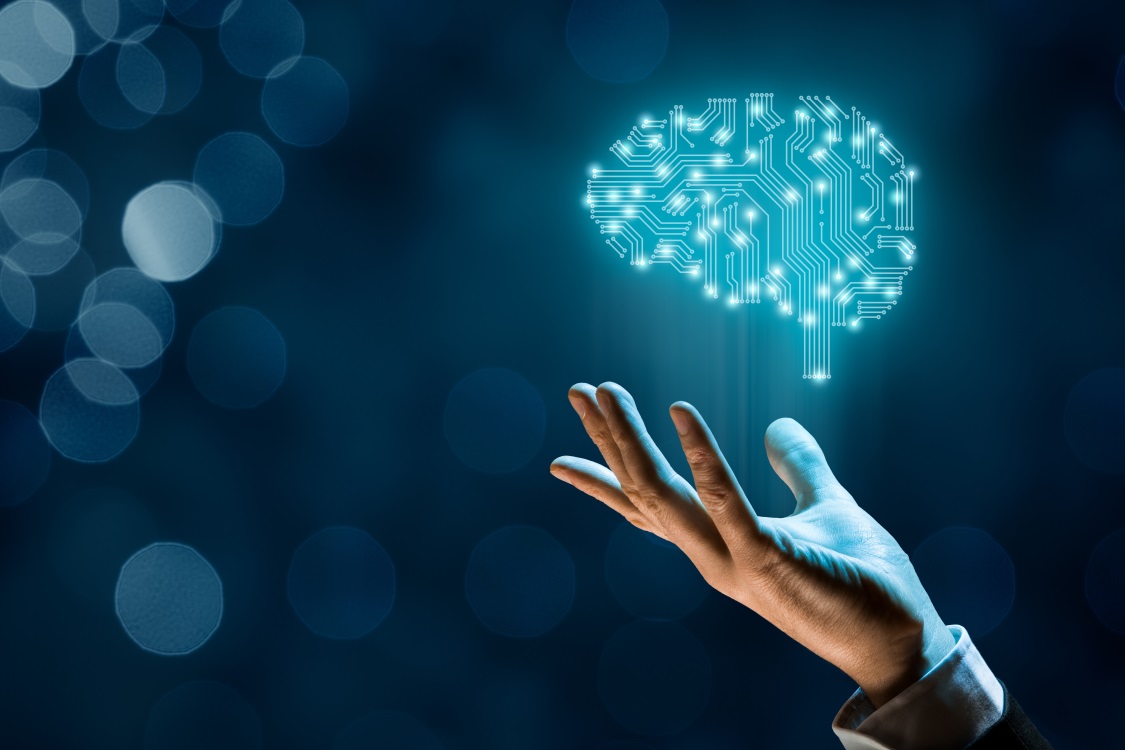
Artificial intelligence is one of the most significant forces shaping the future of digital art. AI-powered tools can now generate illustrations, animations, concept art, and even music within seconds.
Rather than replacing artists, AI is increasingly becoming a collaborative creative assistant. Artists use machine learning tools to:
- Generate ideas and inspiration
- Automate repetitive design tasks
- Experiment with unique visual styles
- Create personalized interactive experiences
The future will likely see hybrid creativity become the norm, where human imagination combines with algorithmic intelligence to produce entirely new art forms.
Prediction:
AI-assisted art creation will become standard practice across creative industries by the end of the decade.
2. Immersive Art Experiences Will Expand
Virtual reality (VR), augmented reality (AR), and mixed reality are transforming how audiences interact with art.
Instead of viewing static images on screens, users can now step inside digital environments and experience art spatially. Museums, brands, and independent creators are increasingly building immersive exhibitions that merge storytelling, sound, motion, and interaction.
This trend is especially important for younger audiences seeking engaging, participatory experiences rather than passive consumption.
Emerging Applications:
- VR art galleries
- Interactive installations
- AR-enhanced public art
- Metaverse exhibitions
- 3D digital sculptures
Prediction:
Immersive art will become a dominant form of entertainment and cultural engagement within the next 5–10 years.
3. NFTs Will Mature Beyond the Hype
NFTs dramatically changed the digital art conversation by introducing blockchain-based ownership and authenticity.
While the initial NFT boom was driven largely by speculation, the technology itself continues to evolve. Future NFT ecosystems are expected to focus more on utility, community access, intellectual property rights, and long-term artistic value.
Artists may increasingly use blockchain technology to:
- Protect ownership rights
- Earn royalties automatically
- Build direct relationships with collectors
- Tokenize memberships and experiences
Prediction:
The future of NFTs will shift from speculative assets toward sustainable creator economies and verified digital ownership.
4. Generative Art Will Gain Mainstream Recognition
Generative art uses algorithms, code, and data to create visual outputs. This intersection of programming and creativity is attracting both collectors and major institutions.
As coding becomes more accessible, more artists are experimenting with dynamic artworks that evolve in real time based on user interaction, weather data, sound, or artificial intelligence.
Generative art represents a major shift in artistic thinking — from creating a single static piece to designing systems that continuously produce unique outcomes.
Prediction:
Generative art will become one of the defining artistic movements of the digital age.
5. Digital Artists Will Build Independent Economies
The creator economy continues to expand rapidly. Digital artists no longer depend solely on galleries or agencies to earn income.
Modern creators can monetize through:
- Subscription communities
- Online courses
- Licensing
- Digital collectibles
- Brand collaborations
- Patreon-style memberships
- Virtual experiences
Direct-to-audience platforms empower artists to maintain creative control while building global fanbases.
Prediction:
Independent digital artists will increasingly operate as personal brands and media businesses.
6. Sustainability Will Influence Digital Creativity
As awareness of environmental impact grows, sustainability is becoming a major topic in digital art and blockchain technology.
Energy-efficient blockchain systems, eco-conscious design practices, and sustainable computing solutions are expected to become increasingly important.
Artists and collectors alike are becoming more selective about the platforms and technologies they support.
Prediction:
Sustainable digital art ecosystems will become a competitive advantage for creative platforms and marketplaces.
7. The Line Between Art and Technology Will Disappear
The future of digital art is deeply connected to advances in technology. Creative disciplines are increasingly merging with fields such as:
- Artificial intelligence
- Robotics
- Biotechnology
- Gaming
- Data science
- Spatial computing
This convergence is creating entirely new forms of artistic expression that would have been impossible just a few years ago.
The artist of the future may not only paint or design — they may also code, engineer interactive environments, or train AI models.
Prediction:
Tomorrow’s most influential artists will combine technical expertise with creative storytelling.
Challenges Facing the Future of Digital Art
Despite its rapid growth, digital art still faces several challenges:
Copyright and Ownership
AI-generated art raises complex legal and ethical questions about originality and intellectual property.
Market Saturation
The ease of creating and publishing digital work increases competition among artists.
Technological Dependence
Digital art relies heavily on evolving software, hardware, and platform ecosystems.
Authenticity Concerns
Deepfakes and AI-generated content may make it harder to verify authenticity.
Addressing these issues will be essential for the long-term health of the industry.
Final Thoughts
The future of digital art is incredibly dynamic, driven by constant technological innovation and shifting audience expectations. Artificial intelligence, immersive experiences, blockchain systems, and generative creativity are all redefining what art can be.
For artists, the coming years offer unprecedented opportunities to experiment, collaborate, and connect directly with audiences worldwide. For collectors and consumers, digital art promises richer, more interactive experiences than ever before.
One thing is clear: digital art is no longer the future of creativity — it is the present, and its influence will only continue to grow.
FAQ
What is the future of digital art?
The future of digital art includes AI-assisted creativity, immersive virtual experiences, blockchain authentication, and interactive generative artworks.
Will AI replace digital artists?
AI is more likely to become a creative tool rather than a replacement. Human creativity, storytelling, and emotional expression remain essential.
Are NFTs still important for digital art?
Yes, but the focus is shifting from speculation to verified ownership, royalties, and creator communities.
What skills will future digital artists need?
Future digital artists may benefit from learning design, animation, coding, AI tools, and interactive media development.
Why is digital art becoming more popular?
Improved technology, social media exposure, accessibility, and new monetization opportunities have all contributed to the growth of digital art.