



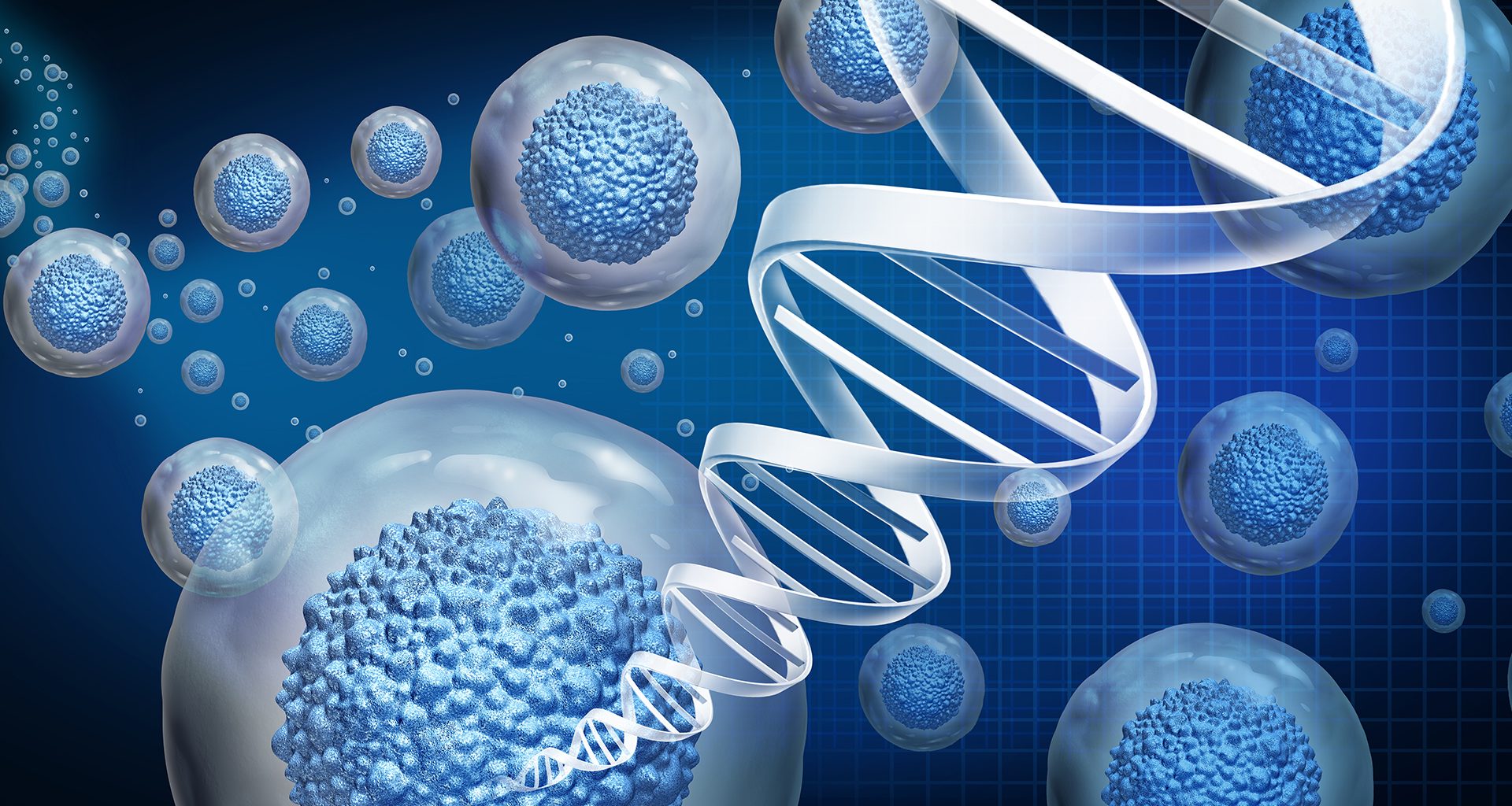
Regenerative medicine is one of the most exciting frontiers in modern healthcare. Unlike conventional treatments that primarily address symptoms, regenerative medicine focuses on repairing, restoring, and regenerating damaged tissues and organs. This revolutionary approach combines stem cell therapy, tissue engineering, and advanced biomaterials to tackle chronic diseases, injuries, and degenerative conditions in ways once considered impossible.
What Is Regenerative Medicine?
Regenerative medicine is a multidisciplinary field that merges biology, medicine, and engineering to develop therapies capable of rebuilding human tissue and organs. Its goal is not just treatment, but true healing at the cellular and molecular level.
Key approaches in regenerative medicine include:
- Stem Cell Therapy: Using the unique regenerative properties of stem cells to replace damaged or diseased cells.
- Tissue Engineering: Creating bioengineered tissues and organs in the lab for transplantation or repair.
- Biomaterials and Scaffolds: Providing structures that support tissue growth and guide cell regeneration.
- Gene and Molecular Therapies: Modifying genetic and molecular pathways to stimulate tissue repair.
Understanding Stem Cells
Stem cells are remarkable for their ability to self-renew and differentiate into multiple cell types. This makes them an essential component of regenerative medicine.
Types of stem cells include:
- Embryonic Stem Cells (ESCs): Pluripotent cells capable of becoming any type of tissue in the body. They hold immense potential for treating a variety of conditions but are subject to ethical debates.
- Adult Stem Cells: Found in tissues such as bone marrow, fat, and blood, these cells specialize in repairing specific tissues. For example, hematopoietic stem cells regenerate blood, while mesenchymal stem cells can form bone, cartilage, and fat.
- Induced Pluripotent Stem Cells (iPSCs): Adult cells reprogrammed to revert to a pluripotent state. iPSCs offer the benefits of ESCs without the ethical concerns.
Applications of stem cells in regenerative medicine include:
- Repairing cardiac tissue after heart attacks.
- Treating neurodegenerative disorders like Parkinson’s and Alzheimer’s disease.
- Regenerating cartilage in osteoarthritis patients.
- Healing spinal cord injuries.
Tissue Engineering: Building New Tissues and Organs
Tissue engineering is the scientific process of creating functional tissue constructs in the laboratory to replace damaged tissues in the human body. This field combines cells, scaffolds, and growth factors to generate living tissue.
Key steps in tissue engineering:
- Scaffold Development: Scientists create 3D structures that mimic the natural extracellular matrix of tissues. Scaffolds can be synthetic or made from natural biomaterials.
- Cell Seeding: Stem cells or other specialized cells are seeded onto these scaffolds.
- Bioreactor Cultivation: The tissue is cultured in a controlled environment that provides nutrients, oxygen, and mechanical stimulation.
- Implantation: Once the tissue matures, it can be implanted into the patient to repair or replace damaged tissue.
Examples of tissue engineering breakthroughs include:
- Lab-grown skin grafts for burn victims.
- Cartilage implants for joint repair.
- Engineered blood vessels for cardiovascular surgery.
- Early-stage work on bioengineered organs, such as liver, kidney, and heart tissue.
The Benefits of Regenerative Medicine
Regenerative medicine offers several advantages over traditional therapies:
- Reduced reliance on organ donors: Lab-grown tissues could reduce transplant waiting times.
- Faster recovery: Injuries and surgeries could heal more quickly with regenerative therapies.
- Minimized risk of rejection: Using patient-derived stem cells reduces immune rejection risks.
- Potential for disease cures: Chronic and degenerative diseases may be treated at the root cause rather than just managed.
Challenges and Ethical Considerations
Despite its promise, regenerative medicine faces significant hurdles:
- Ethical concerns: Particularly around embryonic stem cells.
- High costs: Advanced treatments are expensive and often not widely accessible.
- Regulatory hurdles: Therapies must undergo rigorous testing to ensure safety and efficacy.
- Technical challenges: Engineering fully functional organs remains complex.
The Future of Regenerative Medicine
The future of regenerative medicine looks bright. Cutting-edge research is focused on:
- CRISPR and gene editing to correct genetic disorders at the cellular level.
- 3D bioprinting of organs and tissues for personalized transplantation.
- Nanotechnology for targeted delivery of regenerative therapies.
- Combination therapies integrating stem cells, growth factors, and biomaterials for faster, more effective healing.
As technology advances, regenerative medicine may soon transform the way we approach healthcare, shifting from symptom management to true healing and regeneration.
Conclusion
Regenerative medicine, powered by stem cells and tissue engineering, is redefining the limits of modern medicine. From healing damaged tissues to creating lab-grown organs, these therapies offer hope for millions of patients worldwide. The integration of science, engineering, and clinical innovation makes regenerative medicine a cornerstone of future healthcare, promising a world where regeneration is not just possible, but routine.