



Why is press freedom at its lowest level in 25 years?
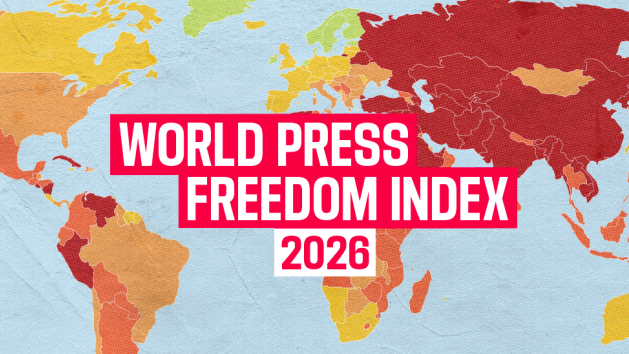
According to the 2026 World Press Freedom Index by Reporters Without Borders (RSF), the average global score for press freedom has never been lower. For the first time in the index’s history, more than half of the world’s countries are now categorized as having “difficult” or “very serious” conditions for practicing journalism.
According to the 2026 World Press Freedom Index by Reporters Without Borders (RSF), the average global score for press freedom has never been lower. For the first time in the index’s history, more than half of the world’s countries are now categorized as having “difficult” or “very serious” conditions for practicing journalism.
Key Findings from the 2026 RSF Index
The latest report highlights a troubling shift in how governments treat the media worldwide:
- Unprecedented Decline: The global average score fell to a record low as media freedom deteriorated in 100 out of 180 countries this year.
- The “Good” Category is Vanishing: A quarter-century ago, 20% of the world’s population lived in countries with a “good” press freedom rating; today, that number has plummeted to less than 1%.
- Legal Indicator Sharpest Drop: The most severe decline occurred in the legal environment. Over 60% of countries (110 out of 180) saw their legal scores worsen, signaling a global trend of “criminalizing journalism” through the misuse of national security and anti-terror laws.
Regional Highlights: Winners and Losers
- The Top Performers: Nordic countries continue to lead, with Norway holding the #1 spot for the tenth consecutive year, followed by the Netherlands and Estonia.
- The United States: The U.S. dropped seven places to 64th in the ranking, a “problematic” status attributed to systematic political attacks on the press and rhetoric discrediting journalists’ work.
- Most Dangerous Regions: Eastern Europe and the Middle East remain the most hazardous for reporters. Russia (172nd) continues to use restrictive laws to silence dissent.
- Glimmer of Hope: Syria recorded the biggest improvement, climbing 36 places to 141st following the fall of the Assad regime, though the situation there remains “very serious”.
- The Bottom: Eritrea ranked last for the third year in a row, joining North Korea and China at the very bottom.
Why Does This Matter?
The erosion of press freedom is often a precursor to the wider decline of democratic institutions. RSF Editorial Director Anne Bocandé warned that international law is being undermined by “authoritarian states, predatory economic actors, and under-regulated online platforms”.
As journalism becomes increasingly criminalized, the space for independent truth-telling shrinks. Protecting the free press is no longer just a concern for media workers—it is essential for the survival of informed societies globally.