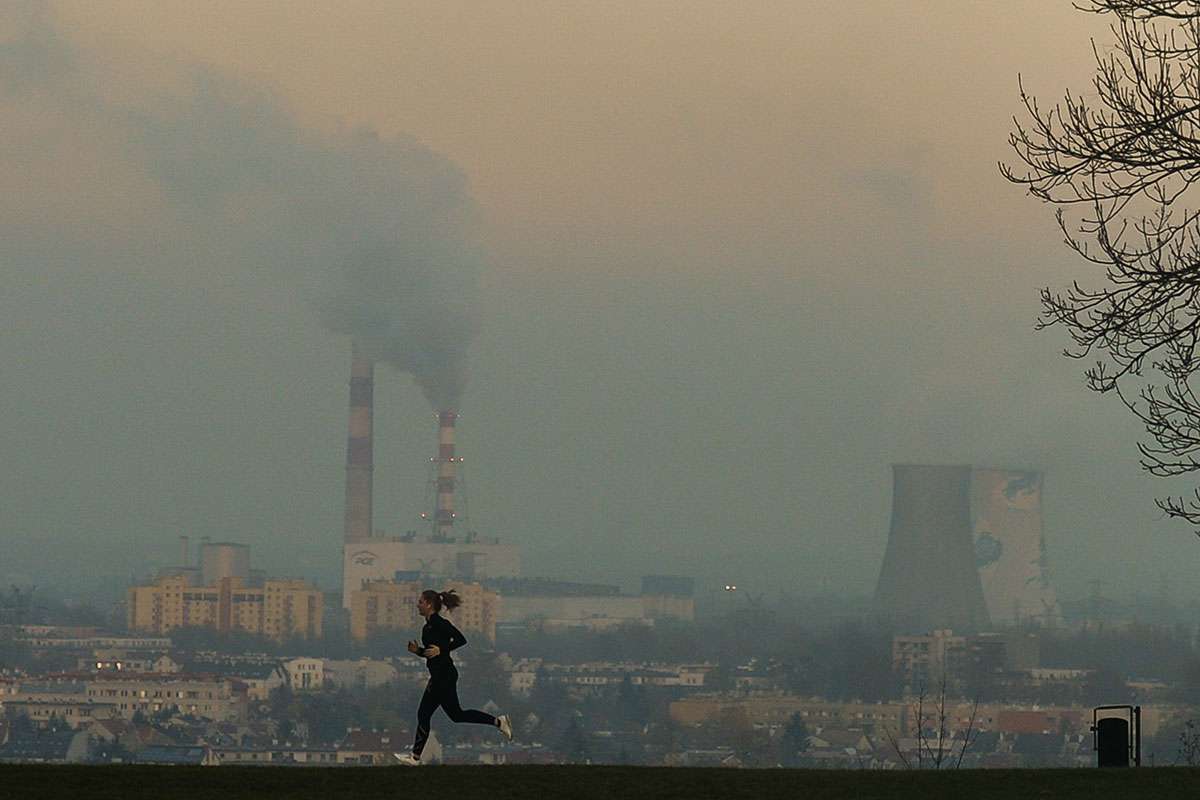




The world is facing an unprecedented threat from climate change, which poses significant risks to human security, economic stability, and environmental sustainability. Climate security threats have become a major concern for governments, international organizations, and civil society, as they can have far-reaching consequences for human well-being, peace, and prosperity. In order to build societal resilience to these threats, it is essential to adopt a strategic approach to sustainable development and environmental governance.
According to the Intergovernmental Panel on Climate Change (IPCC), the world has already warmed by about 1.1 degrees Celsius since the late 19th century, and is projected to reach 1.5 degrees Celsius above pre-industrial levels between 2030 and 2052 if global warming continues to increase at the current rate. This level of warming is likely to have severe consequences, including more frequent and intense heatwaves, droughts, and storms, as well as rising sea levels and more frequent flooding.
Building resilience to climate security threats requires a comprehensive approach that involves multiple stakeholders and sectors. It involves developing and implementing effective policies, laws, and institutions that promote sustainable development, environmental protection, and human security. It also requires investing in climate-resilient infrastructure, promoting climate-smart agriculture, and supporting climate change research and development.
Understanding Climate Security Threats
Climate security threats are complex and multifaceted, and can have significant impacts on human security, economic stability, and environmental sustainability. They can be categorized into several types, including extreme weather events, sea-level rise, water scarcity, and food insecurity. According to the United Nations, the world is facing a water crisis, with about 2 billion people living in countries experiencing high water stress. The World Bank estimates that climate change could push an additional 143 million people into poverty in sub-Saharan Africa, South Asia, and Latin America by 2050.
The impacts of climate security threats can be severe and far-reaching, and can have significant consequences for human well-being, peace, and prosperity. For example, a study by the National Oceanic and Atmospheric Administration (NOAA) found that the 2019-2020 Australian bushfire season resulted in an estimated $110 billion in economic losses, making it one of the costliest natural disasters in Australian history. The World Health Organization (WHO) estimates that between 2030 and 2050, climate change will cause approximately 250,000 additional deaths per year, mainly due to malnutrition, malaria, diarrhea, and heat stress.
In order to address these threats, it is essential to develop and implement effective policies, laws, and institutions that promote sustainable development, environmental protection, and human security. This requires a comprehensive approach that involves multiple stakeholders and sectors, including governments, international organizations, civil society, and the private sector. According to the IPCC, the cost of transitioning to a low-carbon economy could be as low as 0.06% of global GDP per year, which is a relatively small price to pay for the significant benefits of reducing greenhouse gas emissions and mitigating climate change.
The benefits of building resilience to climate security threats are numerous and significant. For example, a study by the International Institute for Environment and Development found that every dollar invested in climate-resilient infrastructure can generate up to $4 in economic benefits. The WHO estimates that reducing greenhouse gas emissions and mitigating climate change could save up to $54.1 billion in health costs per year in the United States alone.
Strategic Approach to Sustainable Development and Environmental Governance
A strategic approach to sustainable development and environmental governance is essential for building resilience to climate security threats. This involves developing and implementing effective policies, laws, and institutions that promote sustainable development, environmental protection, and human security. It also requires investing in climate-resilient infrastructure, promoting climate-smart agriculture, and supporting climate change research and development.
Some of the key strategies for building resilience to climate security threats include:
- Developing and implementing effective climate change policies and laws, such as carbon pricing, renewable energy targets, and green infrastructure investments
- Investing in climate-resilient infrastructure, such as sea walls, levees, and green roofs
- Promoting climate-smart agriculture, such as agroforestry, conservation agriculture, and climate-resilient crop and animal varieties
- Supporting climate change research and development, such as climate modeling, climate change impacts assessment, and climate change adaptation and mitigation technologies
- Enhancing climate change education, awareness, and training, such as climate change literacy, climate change risk management, and climate change adaptation and mitigation strategies
According to the IPCC, the cost of adapting to climate change could be as high as $500 billion per year by 2050, which is a significant investment but one that is necessary to reduce the risks and impacts of climate change. The WHO estimates that every dollar invested in climate change adaptation and mitigation could generate up to $10 in economic benefits.
Comparison of Climate Change Adaptation and Mitigation Strategies
The following table compares some of the key climate change adaptation and mitigation strategies:
| Strategy | Description | Benefits | Costs |
|---|---|---|---|
| Carbon pricing | Implementing a carbon tax or cap-and-trade system to reduce greenhouse gas emissions | Reduces greenhouse gas emissions, generates revenue for climate change adaptation and mitigation | Can be costly for industries and consumers, may have negative impacts on economic competitiveness |
| Renewable energy targets | Setting targets for the use of renewable energy sources, such as solar and wind power | Reduces greenhouse gas emissions, promotes energy security and independence | Can be costly to implement, may require significant investments in infrastructure |
| Green infrastructure investments | Investing in green infrastructure, such as green roofs, parks, and green spaces | Reduces urban heat island effect, promotes air and water quality, enhances biodiversity | Can be costly to implement, may require significant investments in maintenance and upkeep |
Conclusion and Recommendations
In conclusion, building resilience to climate security threats requires a strategic approach to sustainable development and environmental governance. This involves developing and implementing effective policies, laws, and institutions that promote sustainable development, environmental protection, and human security. It also requires investing in climate-resilient infrastructure, promoting climate-smart agriculture, and supporting climate change research and development. The benefits of building resilience to climate security threats are numerous and significant, and can generate up to $10 in economic benefits for every dollar invested in climate change adaptation and mitigation.
Some of the key recommendations for building resilience to climate security threats include:
- Developing and implementing effective climate change policies and laws, such as carbon pricing, renewable energy targets, and green infrastructure investments
- Investing in climate-resilient infrastructure, such as sea walls, levees, and green roofs
- Promoting climate-smart agriculture, such as agroforestry, conservation agriculture, and climate-resilient crop and animal varieties
- Supporting climate change research and development, such as climate modeling, climate change impacts assessment, and climate change adaptation and mitigation technologies
- Enhancing climate change education, awareness, and training, such as climate change literacy, climate change risk management, and climate change adaptation and mitigation strategies
The following entities are key players in building resilience to climate security threats: United Nations, International Institute for Environment and Development, World Health Organization, National Oceanic and Atmospheric Administration, and World Bank. These entities can provide critical support and guidance for building resilience to climate security threats, and can help to promote sustainable development, environmental protection, and human security.