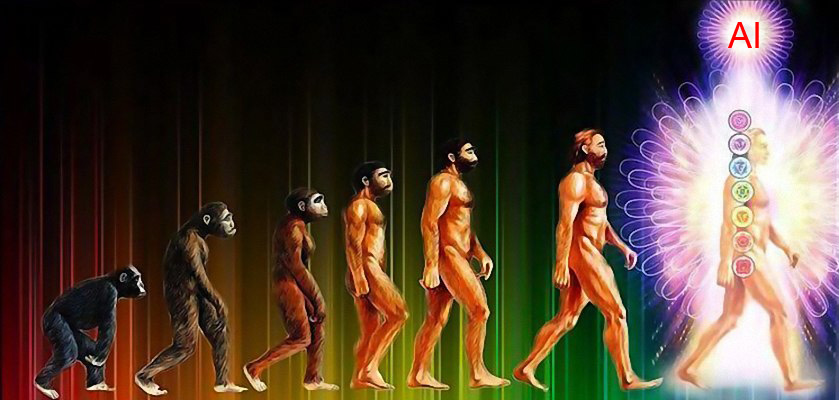




The problem of freedom acquires particular urgency in the context of technological development. Modern society is increasingly defined:
- digital platforms,
- decision algorithms,
- data collection and analysis systems.
These technologies simultaneously:
- increase freedom (access to information, new forms of self-expression),
- and limit it (hidden behavior control, dependence on digital environments).
New questions arise:
- is a person free if their choice is predicted and directed by algorithms?
- where is the line between convenience and control?
- can we talk about freedom under constant surveillance?
Thus, in a technological society, freedom ceases to be an exclusively philosophical abstraction and becomes a practical problem for the survival of human autonomy.
The urgency of the problem of freedom is due to three key circumstances:
- its fundamental role in human understanding;
- changing the content of the concept in modern conditions;
- challenges related to technological development and new forms of control.
Freedom today is not a given, but a problem that requires constant rethinking.