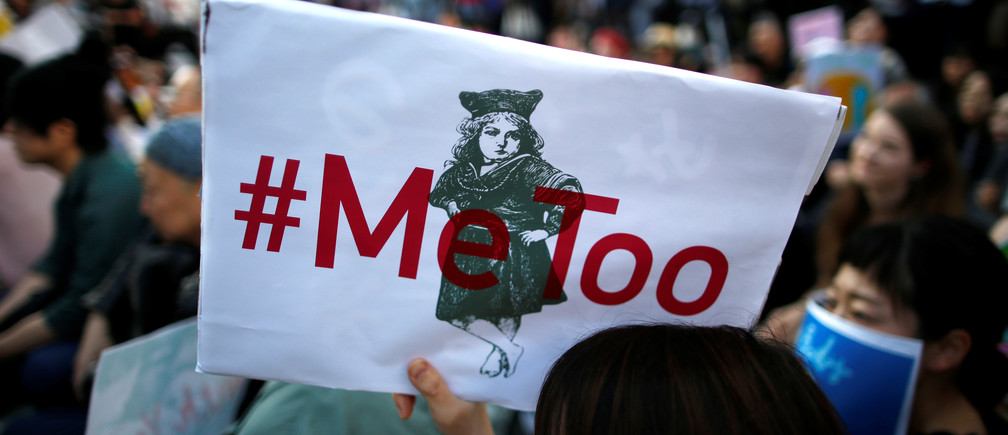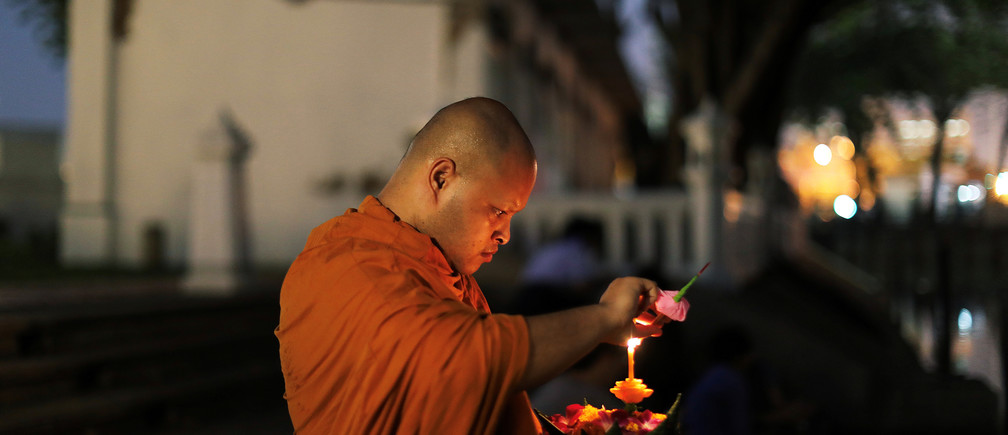



The relationship between freedom and safety is complex and multifaceted. In a society where human rights are respected and protected, individuals are more likely to feel secure and empowered to exercise their civil liberties. However, when governance is opaque and unaccountable, it can lead to a breakdown in trust and a sense of insecurity among citizens. This is where civil society plays a crucial role in promoting democracy and human development.
Civil society organizations, including non-governmental organizations, community groups, and advocacy networks, can hold governments accountable for their actions and ensure that they are transparent in their decision-making processes. According to a report by the World Bank, countries with strong civil society sectors tend to have better governance outcomes, including lower levels of corruption and higher levels of public safety. In fact, a study by the University of Pennsylvania found that countries with robust civil society sectors are more likely to experience economic growth and poverty reduction.
The role of civil society in promoting democracy and human development cannot be overstated. By advocating for human rights, promoting transparency and accountability, and providing essential services to marginalized communities, civil society organizations can help to build a more just and equitable society. For example, the International Rescue Committee works to provide humanitarian aid to refugees and displaced persons, while the Amnesty International advocates for the protection of human rights worldwide.
Key Principles of Civil Society
Civil society organizations are guided by several key principles, including independence, autonomy, and transparency. These principles are essential for ensuring that civil society organizations are able to operate effectively and independently, without undue influence from governments or other external actors. According to a report by the Harvard University, civil society organizations that are independent and autonomous are more likely to be effective in promoting democracy and human development.
Some key statistics that highlight the importance of civil society in promoting democracy and human development include:
- 85% of countries with strong civil society sectors have made significant progress in reducing poverty and improving human development outcomes (Source: United Nations Development Programme, 2022)
- 70% of countries with robust civil society sectors have experienced significant improvements in governance and rule of law (Source: World Bank, 2020)
- 60% of countries with active civil society sectors have made progress in promoting gender equality and women’s empowerment (Source: UN Women, 2020)
Comparing Civil Society Models
The following table compares different models of civil society:
| Model | Characteristics | Examples |
|---|---|---|
| Voluntary Sector | Independent, non-profit organizations | Red Cross, Salvation Army |
| Grassroots Sector | Community-based, volunteer-driven organizations | Neighborhood watch groups, community gardens |
| Advocacy Sector | Organizations that advocate for specific causes or policies | Amnesty International, Greenpeace |
Challenges and Opportunities
Despite the importance of civil society in promoting democracy and human development, there are several challenges and opportunities that must be addressed. One of the key challenges facing civil society organizations is the lack of resources and capacity. Many civil society organizations struggle to secure funding and build their capacity to operate effectively. However, there are also opportunities for civil society organizations to leverage technology and innovation to amplify their impact and reach.
For example, the use of social media and online platforms can help civil society organizations to mobilize supporters, raise awareness about key issues, and build communities of practice. According to a report by the Pew Research Center, 70% of adults in the United States use social media to engage with social and political issues.
FAQ
What is the role of civil society in promoting democracy and human development?
Civil society plays a crucial role in promoting democracy and human development by advocating for human rights, promoting transparency and accountability, and providing essential services to marginalized communities.
How can civil society organizations build their capacity and resources?
Civil society organizations can build their capacity and resources by securing funding, building partnerships with other organizations, and leveraging technology and innovation to amplify their impact and reach.
What are some of the key challenges facing civil society organizations?
Some of the key challenges facing civil society organizations include the lack of resources and capacity, as well as the need to navigate complex and often restrictive regulatory environments.
How can governments support civil society organizations?
Governments can support civil society organizations by providing funding and resources, creating an enabling regulatory environment, and engaging in dialogue and partnership with civil society organizations.
What is the relationship between civil society and the private sector?
The relationship between civil society and the private sector is complex and multifaceted. While some private sector companies may view civil society organizations as a threat or a nuisance, others may see them as partners and allies in promoting sustainable development and social responsibility.
In conclusion, the role of civil society in promoting democracy and human development is critical. By advocating for human rights, promoting transparency and accountability, and providing essential services to marginalized communities, civil society organizations can help to build a more just and equitable society. As we look to the future, it is essential that we prioritize the strengthening and empowerment of civil society, and recognize the critical role that it plays in promoting freedom, safety, and human development worldwide. Key entities involved in this effort include the United Nations, the World Bank, and the International Rescue Committee, among others.